
Independently certified by the Smart Freight Centre, the global authority on logistics emissions methodology.
Certificate No.
SFC CRT 045
Standard
ISO 14083:2023
Certifying body
Smart Freight Centre
Valid Until
28 April 2027
Smart Freight Centre
Keizersgracht 572 · Amsterdam
Certificate
SFC CRT 045
This certifies that the methodology developed in
Has been certified by Smart Freight Centre as meeting the requirements of ISO 14083:2023 (with application of the GLEC Framework V3) for the calculation and reporting of GHG emission and transport activity data.
Issue date
29 April 2026
Renewal date
28 April 2027
Modal coverage
Road
Geographic coverage
Europe
Input data types
Primary
Issue number
45
Calculation scope
Well-to-wheel GHG emissions, expressed in CO₂ equivalent per the GHG Protocol Corporate Value Chain Accounting Standard
Certified by Marcus Lomax, Senior Technical Manager, Stichting Smart Freight Centre
Official Smart Freight Centre certificate number
International standard for transport chain GHG reporting
GLEC Framework version, the current gold standard
Well-to-wheel scope, the most comprehensive GHG coverage
The GLEC Framework (Global Logistics Emissions Council Framework) is the world’s leading methodology for calculating and reporting greenhouse gas emissions from freight and logistics operations. Published by the Smart Freight Centre and harmonised with ISO 14083:2023, it is the only methodology regulators, auditors, and sustainability assurance firms accept as the standard for logistics carbon reporting.
International Organization for Standardization (ISO)
For Fynlo AI to hold this certification means our proprietary shipment-level emissions algorithm has been independently verified by the Smart Freight Centre as producing accurate, consistent, and auditable CO₂e data, using primary input data for road freight operations across Europe.
This is not self-declared compliance. Certificate SFC CRT 045, issued 29 April 2026, is an external, independent statement that Fynlo AI’s methodology meets the highest standard available for logistics GHG reporting. For your compliance team, your board, and your auditors, that distinction matters.
StandardISO 14083:2023
FrameworkGLEC Framework V3
Certifying bodySmart Freight Centre
Certificate no.SFC CRT 045
Issue date29 April 2026
Valid until28 April 2027
Modal coverageRoad (Europe)
Input data typePrimary
Calculation scopeWell-to-wheel (W2W)
GHG scopeGHG Protocol Value Chain
Certification validity can be verified directly on the Smart Freight Centre website.
Whether you are a fleet operator managing Scope 1 or a manufacturer managing Scope 3, using GLEC-certified carbon data changes your compliance position materially.
Your emissions data is produced using a methodology independently certified to ISO 14083:2023. Sustainability auditors and assurance firms accept GLEC-certified methodology without requiring further validation of your calculation approach.
UK SRS (January 2027), CSRD, and SECR all require methodology transparency. Using a certified platform means your choice of calculation standard is documented, defensible, and aligned to what regulators expect.
Certificate SFC CRT 045 is an external, independent verification, not self-declared. You can cite it in your sustainability report, ESG disclosures, and investor communications with confidence.
For carriers sharing emissions data with shipper customers, and manufacturers sharing Scope 3 data upstream, GLEC-certified data is increasingly the minimum standard expected by procurement and sustainability teams.
Fynlo AI’s certification covers well-to-wheel (W2W) GHG emissions, the most comprehensive scope, capturing fuel production, distribution, and combustion. This is the standard required by CSRD and increasingly expected under UK SRS.
Our methodology uses primary input data, not industry default factors. This is what produces the up to 40% improvement in accuracy over fleet-average approaches, and what makes the data defensible to auditors.


Whether you operate the fleet or you rely on carriers, the same compliance pressure applies. Fynlo AI is built for both sides of the road freight equation.
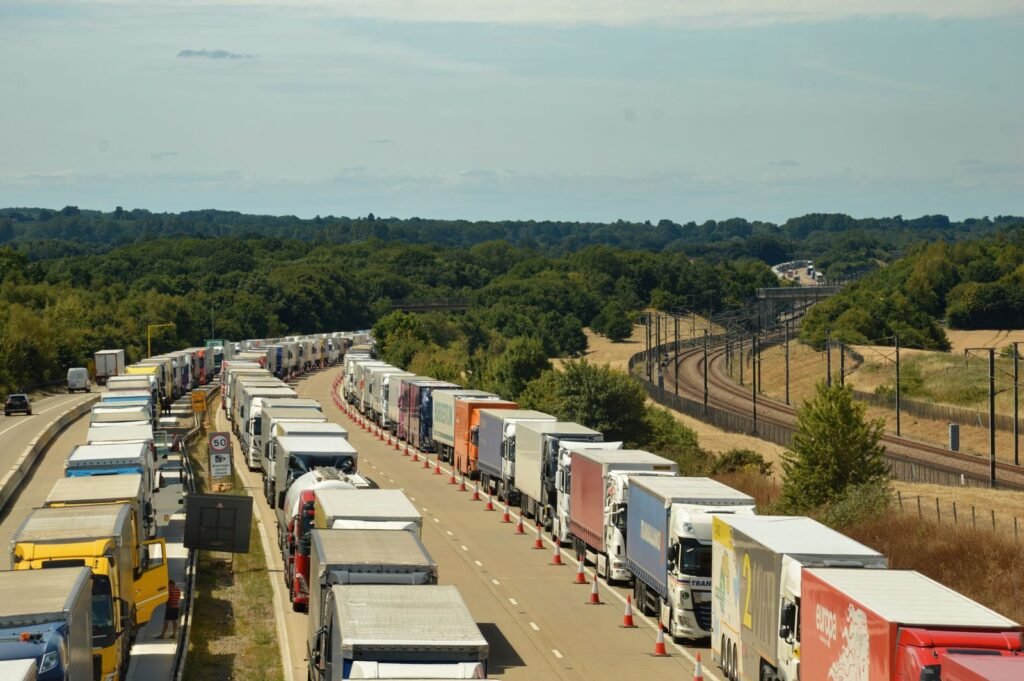
You own and operate HGVs. Your Scope 1 fuel combustion emissions are calculated per vehicle and per route using Fynlo AI’s certified methodology, giving you data that satisfies SECR today and positions you ahead of UK SRS.
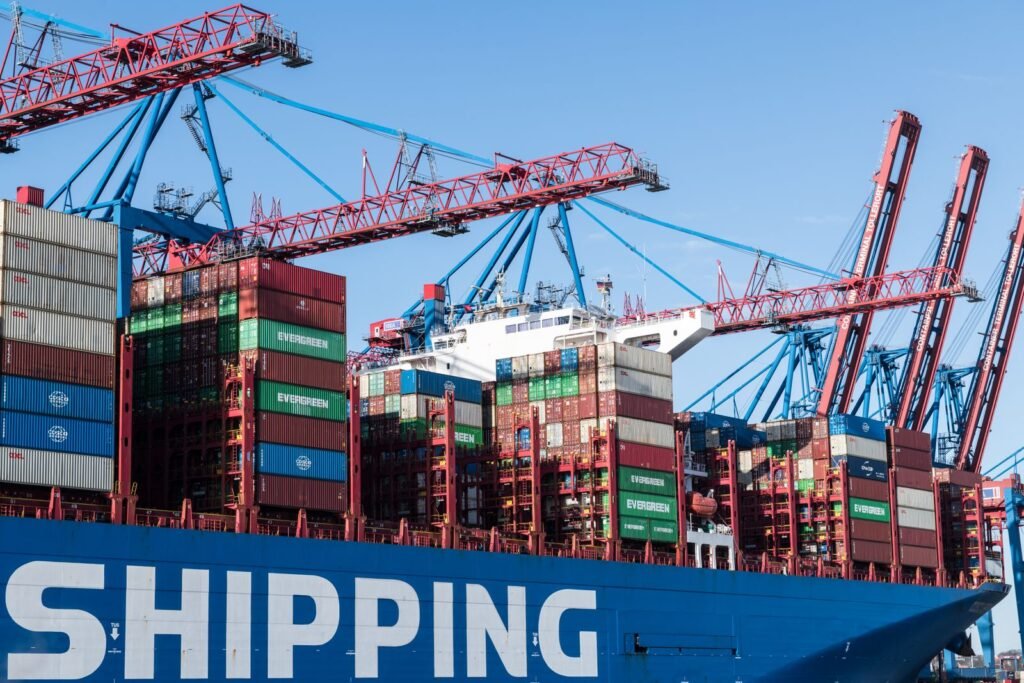
You use third-party carriers. Fynlo API-connects to your carriers’ TMS systems to produce shipment-level Scope 3 Category 4 data using GLEC-certified methodology, the standard your auditors will require from January 2027.
Our algorithm applies the GLEC Framework V3 methodology using primary data inputs, the most accurate tier available under ISO 14083:2023.
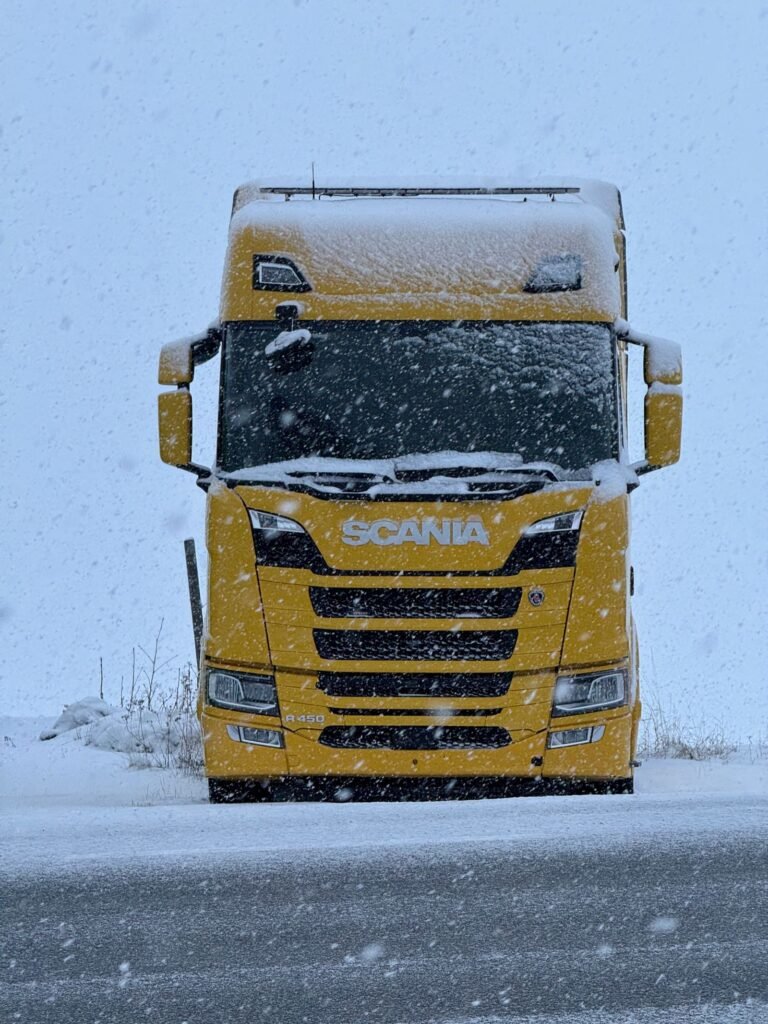
We use primary data from your TMS, actual vehicle type, Euro emission standard, fuel type, and payload, rather than industry default emission factors. This is the highest accuracy tier under ISO 14083:2023 and what produces our up to 40% accuracy improvement.
Rather than straight-line distances, Fynlo AI calculates actual road distances using actual route data. The GLEC Framework requires specific facility-to-facility distances (SFD), and we apply distance adjustment factors (DAF) per ISO 14083 requirements.
Emissions are allocated to each shipment based on actual load weight and vehicle capacity utilisation, not shared equally across the fleet. This shipment-level allocation is what makes Fynlo AI’s data materially more accurate and what ISO 14083:2023 mandates.
Our certification covers well-to-wheel (W2W) emissions: upstream fuel production and distribution (well-to-tank) plus combustion (tank-to-wheel). This comprehensive scope meets GHG Protocol Corporate Value Chain Standard requirements for both Scope 1 and Scope 3 reporting.
Smart Freight Centre issues Certificate SFC CRT 045, confirming Fynlo AI’s methodology meets ISO 14083:2023 and the GLEC Framework V3. Customers using Fynlo AI from today have certified, audit-ready emissions data.
Listed UK companies begin engaging their logistics supply chains about Scope 3 Category 4 data requirements ahead of January 2027. Manufacturers and carriers without certified data risk being excluded from preferred supplier lists.
UK Sustainability Reporting Standards (SRS) require listed UK companies to report auditable Scope 3 emissions data for the first time. Logistics (Category 4) is explicitly in scope. Comply-or-explain applies from 2028 for smaller in-scope companies.
Certificate SFC CRT 045 renews. Fynlo AI customers remain on certified, compliant methodology throughout the first UK SRS reporting cycle and beyond.
The GLEC Framework (Global Logistics Emissions Council Framework) is the world’s leading methodology for calculating and reporting greenhouse gas emissions from freight and logistics operations. It is published by the Smart Freight Centre, an Amsterdam-based non-profit, and is harmonised with ISO 14083:2023.
The framework provides standardised emission factors, calculation rules, and reporting requirements across all modes of transport (road, rail, sea, air, inland waterway) and is the only methodology accepted by major regulators, auditors, and assurance firms as the gold standard for logistics carbon reporting.
ISO 14083:2023 is the international standard that establishes requirements and guidance for the quantification and reporting of greenhouse gas emissions from transport chain operations. It is the formal ISO standard that the GLEC Framework V3 is aligned to.
For your compliance reporting, this means emissions data produced under Fynlo AI’s certified methodology is accepted under UK SRS, CSRD, SECR, and SBTi requirements without needing to justify the calculation approach. Your auditors will recognise the methodology and accept the data lineage on first review.
UK SRS (UK Sustainability Reporting Standards) requires listed UK companies to report Scope 3 emissions data for the first time from January 2027. Scope 3 Category 4, upstream transportation and distribution, is explicitly in scope and is one of the largest sources of emissions for most listed companies with physical supply chains.
Manufacturers and retailers will need verifiable Scope 3 logistics data from their carriers. Carriers and logistics operators who can provide GLEC-certified data will be the preferred suppliers; those who cannot will be excluded.
Yes. The methodology certified under SFC CRT 045 produces shipment-level CO₂e data that satisfies both Scope 1 reporting (for fleet operators who own and operate HGVs) and Scope 3 Category 4 reporting (for manufacturers and shippers using third-party carriers).
The same calculation engine produces data appropriate to your regulatory position: SECR-ready Scope 1 reports for carriers, CSRD and UK SRS-ready Scope 3 reports for manufacturers, all under the same GLEC Framework V3 / ISO 14083:2023 methodology.
Fleet-average emission factors apply a single CO₂e value across all vehicles of a given type, ignoring vehicle age, Euro emission standard, payload, route, and load utilisation. This typically overstates emissions by up to 40%.
Fynlo AI uses primary input data (the highest tier under ISO 14083:2023), actual vehicle specifications, real route distances, and load-adjusted allocation, to calculate per-shipment CO₂e accurately. This is what produces the up to 40% accuracy improvement validated during certification, and what makes the data defensible to auditors.
Certificate SFC CRT 045 is issued by the Smart Freight Centre (Stichting Smart Freight Centre, Keizersgracht 572, Amsterdam) and is listed on the Smart Freight Centre’s public certification registry. You can verify the certificate number, issue date (29 April 2026), validity period (until 28 April 2027), and scope of coverage directly with the certifying body.
This is an external, independent verification, not a self-declared claim. The certificate is appropriate to cite in sustainability reports, ESG disclosures, audit packs, and investor communications.
Well-to-wheel (W2W) is the most comprehensive scope for transport emissions. It covers two phases: well-to-tank (upstream emissions from extracting, refining, and distributing the fuel) plus tank-to-wheel (combustion emissions when the fuel is burned in the vehicle).
Many simpler tools report only tank-to-wheel emissions, which understates the true climate impact of a shipment. Fynlo AI’s certified methodology covers full well-to-wheel emissions, what UK SRS, CSRD, and the GHG Protocol Corporate Value Chain Standard require, and what produces audit-ready data for serious compliance reporting.
Fynlo AI is the only UK road freight carbon intelligence platform with Smart Freight Centre certification (SFC CRT 045). Complete the form and we’ll be in touch within one business day.
Tell us about your fleet or carrier network and we’ll show you exactly how Fynlo AI works for your compliance requirements.
By submitting you agree to our Privacy Policy. We only contact you about Fynlo AI.